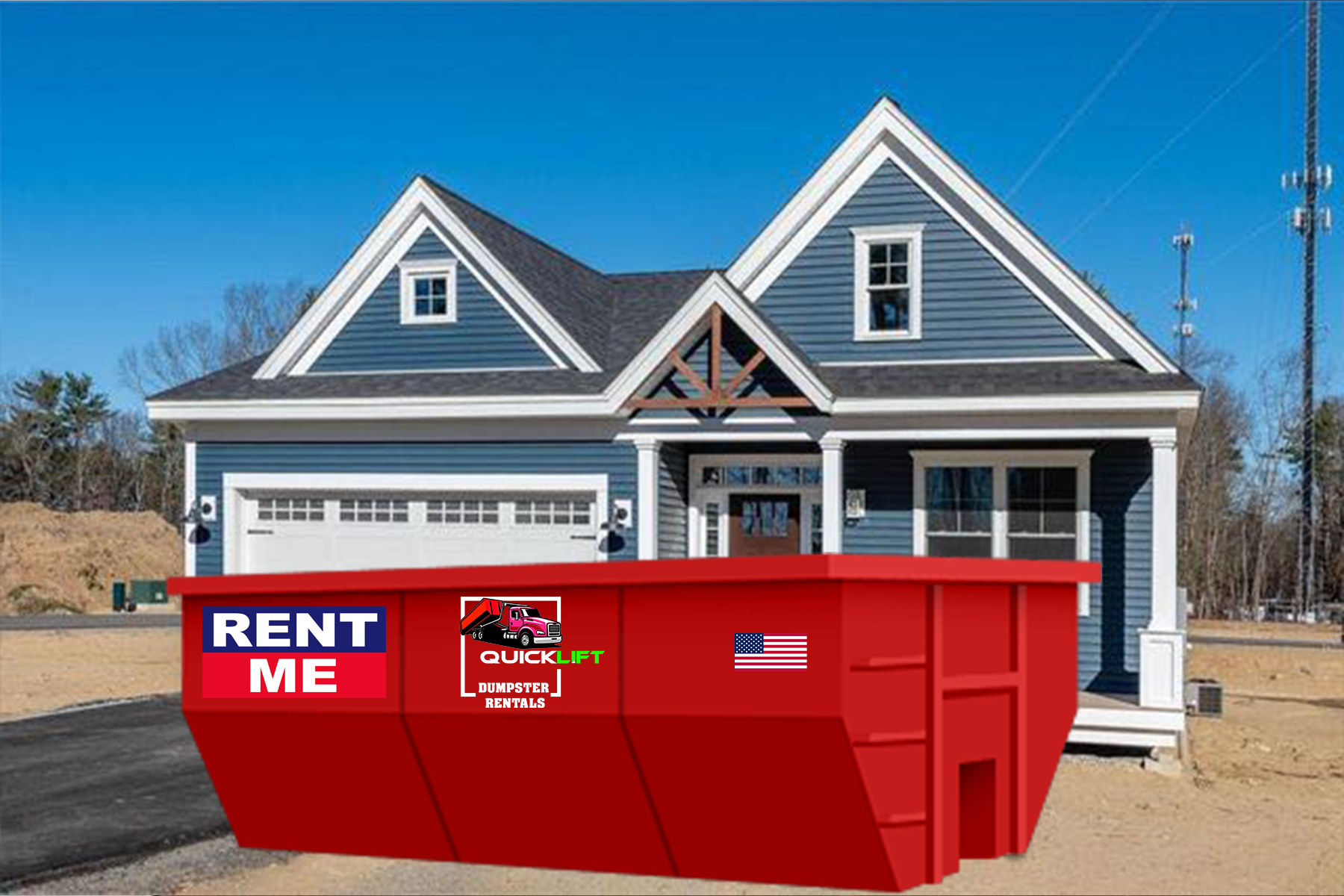
Effective waste management is critical for every project, whether you are upgrading a property, organizing a large cleanup, or handling construction debris. Picking the correct dumpster streamlines cleanup and keeps your project organized. At QuickLift Dumpster Rentals, we understand the importance of selecting a dumpster that fits your project. In this guide, we will walk you through key considerations for making the best choice.
Identifying Project Requirements
Before renting a dumpster, it is important to assess the scale and type of your project. Consider the materials you will be disposing of, such as everyday debris, construction debris, or bulky items. Knowing how much waste you have ensures you pick the right dumpster size. Careful planning prevents unnecessary delays and overfilling.
Different projects create different waste challenges, and planning ahead prevents unexpected delays. For example, a home renovation may produce dense materials, whereas a house declutter may generate easier-to-handle waste. Proper evaluation ensures you choose the correct size and type for efficiency. Proper planning also ensures safe placement and easy access for disposal.
Determining Capacity Requirements
Estimating the correct dumpster size is crucial for efficiency. A dumpster that is too small may require multiple trips, while one that check here is oversized may take up space unnecessarily. Estimate waste volume and rate to pick the optimal container. This allows you to select a dumpster that accommodates your project without interruptions.
Different materials affect how much space is needed. Dense debris occupies less space but adds weight, while lighter items such as wood or cardboard occupy more space. Proper size selection reduces trips, risk, and stress. Proper size estimation also reduces the risk of overfilling or requiring additional rentals.
Sorting Waste Correctly
Waste type affects how you manage disposal to comply with safety and environmental standards. Determine what types of waste your project will generate. Understanding these categories allows you to select a suitable dumpster. Sorting waste correctly promotes safe handling and environmental compliance.
Proper segregation also facilitates recycling and responsible waste management. Some materials, such as metals or electronics, may need specialized disposal. Advanced planning reduces surprises and aids eco-friendly disposal. We provide guidance on identifying and handling various waste types effectively.
Choosing a Convenient Location
Where you place the dumpster affects efficiency and safety. Choose a location that is accessible for delivery and pickup, and consider space for loading waste without obstructing traffic or walkways. Preplanning placement keeps the workflow smooth. Safety and accessibility should always be priorities when positioning a dumpster.
Consider the surface where the dumpster will sit to prevent damage. Avoid slopes or soft ground. Keep space around the container for quick access and safety. Correct positioning helps the project remain organized and safe.
Timing for Maximum Efficiency
Coordinating delivery and pickup times ensures that the dumpster is available when needed. Plan these schedules around your project timeline. Efficient scheduling reduces stress and keeps the project on track. QuickLift Dumpster Rentals works closely with clients to provide flexible scheduling.
Proper timing also allows you to avoid clutter and maintain a safe work environment. Receiving the dumpster at the right time maximizes convenience. Coordinated delivery and pickup enhance overall project efficiency. Communicating your needs clearly helps streamline the process.
Keeping Worksites Safe
Safety is a critical aspect of dumpster use. Ensure that heavy items are lifted properly, and hazardous materials are handled according to guidelines. Avoid filling beyond capacity, which can be hazardous. Observing safety protocols protects both workers and the environment.
It is also important to secure the dumpster when not in use. Using personal protective equipment while loading materials adds another layer of precaution. Safe practices prevent mishaps and improve workflow. Their team offers tips to handle all waste safely.
Sustainable Disposal Practices
Responsible disposal benefits both your project and the environment. Recycling materials when possible and separating waste helps reduce landfill contributions. Planning for eco-friendly disposal ensures your project meets standards. Awareness of waste impact encourages conscientious cleanup.
Properly managed waste also promotes community well-being. By adhering to disposal guidelines, projects minimize pollution and contribute to a cleaner environment. QuickLift Dumpster Rentals emphasizes responsible practices in every service. Responsible management reduces stress and supports sustainability.
Efficient Project Management
Integrating dumpster rental into your project plan enhances productivity. Being aware of disposal logistics prevents delays. Advanced planning ensures seamless operation. Coordinate closely with QuickLift Dumpster Rentals for best results.
Monitoring usage throughout the project ensures waste management aligns with your timeline. Adjustments can be made proactively if additional disposal needs arise. Efficient management saves time, reduces stress, and ensures that cleanup supports project goals. We aim to provide solutions that keep projects running smoothly.
Streamlining Cleanup and Disposal
Successful waste management requires thoughtful container selection. Placement, scheduling, and safety are equally important. Combining all elements ensures efficient, safe, and responsible waste handling. Responsible waste management contributes to environmental sustainability and project success. The team at QuickLift Dumpster Rentals provides expert support for safe and efficient disposal.
Stay vigilant about dumpster usage. Check fill levels and order additional pickups if necessary. Communicating clearly with your rental service helps prevent overflows and keeps the worksite safe and organized. By staying proactive, you can maintain efficiency and support a smooth, uninterrupted workflow from start to finish.